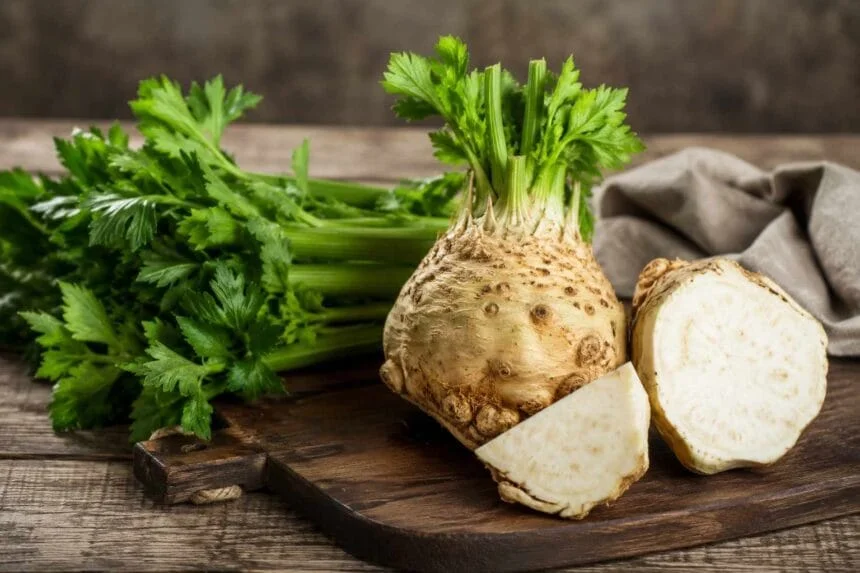
Pravi Celer: Powerful Benefits, Nutrition & Daily UsesPravi celar has quietly moved from traditional European kitchens to modern wellness routines and for good reason. This whole-plant vegetable, known for its stalks, leaves, and root, offers a nutritional range that goes far beyond what most people expect from celery. Whether used in cooking, fresh juices, or natural remedies, it remains one of the most underrated plants in both traditional medicine and contemporary health culture. This article covers everything worth knowing about it from its botanical background to practical daily use.
- What Is Pravi Celer? Definition an by
- Botanical Background and Origin of Pravi Celer
- Nutritional Profile of Pravi Celer
- Health Benefits of Pravi Celer
- Digestive Health and Gut Support
- Blood Pressure and Heart Health
- Detoxification and Organ Support
- Skin, Immunity, and Anti-Aging
- Weight Management and Metabolic Balance
- Pravi Celer vs Regular Celery – Key Differences
- Culinary Uses of Pravi Celer in Everyday Cooking
- Growing Pravi Celer at Home
- Cultural and Historical Importance of Pravi Celer
- Pravi Celer in Modern Wellness Culture
- Side Effects, Safety, and Precautions
- How to Store and Preserve Pravi Celer
- Conclusion
- FAQs
What Is Pravi Celer? Definition an by
The term “pravi celer” translates roughly to “true celery” or “authentic celery” in Slavic and several European languages. It refers to the complete, unprocessed form of the plant — stalks, leaves, and root included rather than the trimmed, packaged version common in supermarkets.
In Slavic regions and parts of Central Europe, this distinction matters. Using the whole plant is both a culinary preference and a cultural habit. The flavor is more earthy and intense compared to standard store-bought celery, and the nutritional value reflects what the plant naturally offers when nothing is removed.
Botanical Background and Origin of Pravi Celer
Celery belongs to the Apiaceae family, the same plant family as parsley, carrots, and fennel. Classified as Apium graveolens, it is a biennial herbaceous plant native to Mediterranean and Middle Eastern regions. In its first year, it produces leafy growth and edible stalks. In the second year, it flowers and sets seed.
Humans have cultivated celery for thousands of years. Ancient Egypt used it in rituals and early medicine. Greek and Roman civilizations valued it for its healing properties long before it became a kitchen staple.
Selective cultivation over centuries developed its milder texture and more consistent flavor, though the wild form remains far more pungent.
Varieties of Pravi Celer
The three main forms most people encounter are stalk celery, celeriac (celery root), and leaf celery.
- Stalk celery — the long, crunchy stems used raw or cooked
- Celeriac — the aromatic root, widely used in European soups and purees
- Leaf celery — smaller stalks with intensely flavored leaves, common in traditional cooking
Each part carries health-promoting compounds, though celeriac tends to be denser in nutrients per gram compared to the water-heavy stalks.
Nutritional Profile of Pravi Celer
Celery is roughly 95% water, which makes it naturally low in calories while still delivering useful micronutrients. A 100g serving contains approximately 16 kcal, making it practical for calorie-conscious eating without sacrificing nutritional intake.
Vitamins and Minerals
| Nutrient | Per 100g |
| Calories | 16 kcal |
| Water | ~95% |
| Vitamin K | 29 µg |
| Vitamin C | 3 mg |
| Folate | 36 µg |
| Potassium | 260 mg |
| Fiber | 1.6g |
| Calcium | 40 mg |
Vitamin K supports bone health and blood clotting. Folate plays a role in cell growth and is especially relevant during pregnancy. Potassium helps regulate cardiovascular stability and nerve signaling, while calcium and magnesium contribute to skeletal strength and muscle function.
Antioxidants and Phytochemicals
Beyond vitamins, celery contains a range of plant-based foods. Antioxidants apigenin and luteolin are the most studied flavonoids present in the plant. Caffeic acid adds to its anti-inflammatory activity.
Together, these compounds help neutralize free radicals and reduce oxidative stress processes linked to cellular aging and chronic disease prevention. The concentration of these phytochemicals is typically higher in the leaves than in the stalks, which is one reason the whole plant is preferred over trimmed celery.
Health Benefits of Pravi Celer
The plant’s therapeutic potential comes from both it’snutritional science and centuries of traditional knowledge. These aren’t separate — they reinforce each other.
Digestive Health and Gut Support
Fiber and water work together to support gut function. Celery’s fiber content feeds beneficial gut bacteria, while its high water volume keeps intestinal transit smooth. Regular consumption may reduce bloating and constipation without the harsh effect of supplemental fiber.
The digestive support it provides is gentle — useful for daily maintenance rather than acute treatment.
Blood Pressure and Heart Health
Phthalides, a class of compounds naturally present in celery, relax smooth muscles in artery walls. This allows blood to flow more freely and may contribute to lower blood pressure over time.
Potassium and calcium support this further by helping regulate cardiovascular stability. Together, these effects make celery a plant genuinely useful for circulatory health — not just a trendy claim.
Detoxification and Organ Support
Celery has a mild diuretic effect, meaning it increases urine output slightly. This supports kidney function by encouraging the body to flush out sodiu metabolic waste more efficiently.
The liver also benefits indirectly from this internal cleansing process. While celery isn’t a medical detox solution, its consistent use supports the organs that manage the body’s natural filtration.
Skin, Immunity, and Anti-Aging
Vitamin C supports skin repair and immune function. Combined with the flavonoids apigenin and luteolin, the plant’s antioxidant profile actively slows cellular damage from free radicals — a key factor in visible aging and immune resilience.
Fresh celery juice retains much of this antioxidant and enzyme content, which is why it became a popular wellness beverage beyond just being a trend.
Weight Management and Metabolic Balance
At 16 kcal per 100g, celery creates real volume in a meal without adding meaningful calories. Its fiber content delays hunger by slowing digestion slightly, which makes portions feel more satisfying.
For fitness-oriented or calorie-conscious diets, this is a practical tool — not a miracle food, but a genuinely low-cost, high-volume option for weight control.
Pravi Celer vs Regular Celery – Key Differences
| Feature | Pravi Celer | Regular Celery |
| Plant parts used | Whole plant | Trimmed stalks only |
| Flavor | Earthy, strong | Mild, watery |
| Nutrient density | Higher (especially leaves) | Lower |
| Cultural use | European/Slavic traditions | Mainstream convenience |
| Texture | Varied (root, stalk, leaf) | Uniform |
The difference isn’t just philosophical. Using the whole plant — including leaves and root — means getting a broader range of phytochemicals and nutrients that the trimmed version simply doesn’t deliver.
Culinary Uses of Pravi Celer in Everyday Cooking
Raw or cooked, its mildly salty, grassy flavor adapts well across different types of dishes.
Raw Consumption and Fresh Preparations
Raw stalks and leaves work well in salads, fresh juices, and smoothies. Celery juice made from the whole plant — including some leaf — has more depth than juice from stalks alone.
It also functions as a garnish with an herbal taste that complements grain bowls and fresh vegetable plates.
Cooked Dishes and Traditional Recipes
In European and Mediterranean cuisine, celery forms a base flavor in soups, stews, and broths alongside onion and carrot. Celeriac is especially valued here — roasted, mashed, or blended into creamy soups with apples and walnuts.
A few practical ideas:
- Celery root soup with garlic and olive oil
- Detox juice with lemon, cucumber, and celery leaves
- Pesto using celery leaves, nuts, and olive oil in place of basil
- Infused broths using stalks and leaves for base flavor
Digestibility improves with cooking, which makes it a practical choice for those who find raw celery harsh on the stomach.
Growing Pravi Celer at Home
Celery prefers nutrient-rich, well-drained soil and consistent moisture. It needs full sunlight and regular watering — inconsistent hydration causes hollow stalks and bitter flavor.
Start from seeds indoors 10–12 weeks before the last frost. Transplant seedlings with adequate spacing to prevent overcrowding. Natural fertilizers work well and avoid the chemical residues that can affect flavor. Harvest when leaves are vibrant and stalks are firm for maximum flavor and nutritional value.
Cultural and Historical Importance of Pravi Celer
In ancient Egypt, celery appeared in burial rituals and early medicinal records. Greeks and Romans used it in healing practices for digestive problems and general well-being. In Slavic regions, folk medicine incorporated it as a natural remedy long before modern nutritional research confirmed its properties.
That history isn’t just trivia — it reflects consistent human observation that the plant does something useful, repeated across cultures and thousands of years.
Pravi Celer in Modern Wellness Culture
Clean eating movements, plant-based diets, and detox programs have all given celery renewed attention. Social media in particular elevated celery juice to a near-iconic wellness symbol, even if the claims sometimes outpaced the science.
What’s more grounded is its role in conscious living — as a versatile, low-cost ingredient that bridges traditional foods and modern nutritional needs. Its simplicity is part of the appeal.
Side Effects, Safety, and Precautions
Most people consume celery without any problems. However, a few situations warrant caution:
- Celery allergies exist and can be serious in sensitive individuals
- Blood pressure medication users should monitor intake, especially in juice form, due to its natural blood pressure-lowering effect
- Vitamin K content may interact with blood-thinning medication
- Pregnant women should consume it in normal food amounts rather than concentrated juice doses
- Photosensitivity is a rare reaction linked to high celery intake — excess consumption may increase sensitivity to sunlight
- Digestive discomfort can occur when consumed in large amounts, particularly raw
Moderation and variety remain the safest approach for daily consumption.
How to Store and Preserve Pravi Celer
Wrap fresh stalks in a damp cloth and store in the refrigerator to maintain crispness and moisture for up to two weeks. For long-term storage, blanch and freeze the stalks. Leaves dry well — dried celery leaves work as a seasoning and retain much of the plant’s flavor and nutrient content. Celeriac stores longer in cool, dry conditions without refrigeration.
Conclusion
Pravi celer sits at the intersection of cultural roots and modern relevance. Its nutritional value, culinary versatility, and long history in traditional medicine make it more than just a vegetable — it functions as a health-supporting food that fits naturally into daily meals. From hydration and detoxification to heart health and skin repair, its benefits are consistent, well-supported, and practically applicable. For anyone building a diet around whole, functional foods, this plant earns a regular place on the plate.
FAQs
What is Pravi Celer?
It refers to the whole celery plant — stalks, leaves, and root — used together in cooking and natural remedies. The name emphasizes authentic, unprocessed use rather than trimmed commercial versions.
Is Pravi Celer the same as regular celery?
It comes from the same plant but uses the whole form. The flavor is stronger, the nutrient range is broader, and it reflects European traditions that value the complete plant over convenience-trimmed stalks.
What are the main health benefits of Pravi Celer?
Key benefits include digestive support, heart health, detoxification, anti-inflammatory activity, and immune support through vitamins, antioxidants, and phytochemicals.
Can I drink Pravi Celer juice every day?
Yes, in moderate amounts. Daily celery juice supports hydration and detox, but concentrated juice should be balanced within a varied diet rather than treated as a standalone health solution.
How can I use Pravi Celer in daily meals?
Use raw stalks in salads and smoothies, leaves as an herb or in pesto, and celery root in soups, mashes, and roasted dishes. It functions as both a base flavor and a standalone ingredient across everyday cooking.